Top US health agency makes $25,000 buyout offer to most of its employees
The workers have until 5 p.m. on Friday to submit a response for the so-called voluntary separation offer.

The workers have until 5 p.m. on Friday to submit a response for the so-called voluntary separation offer.
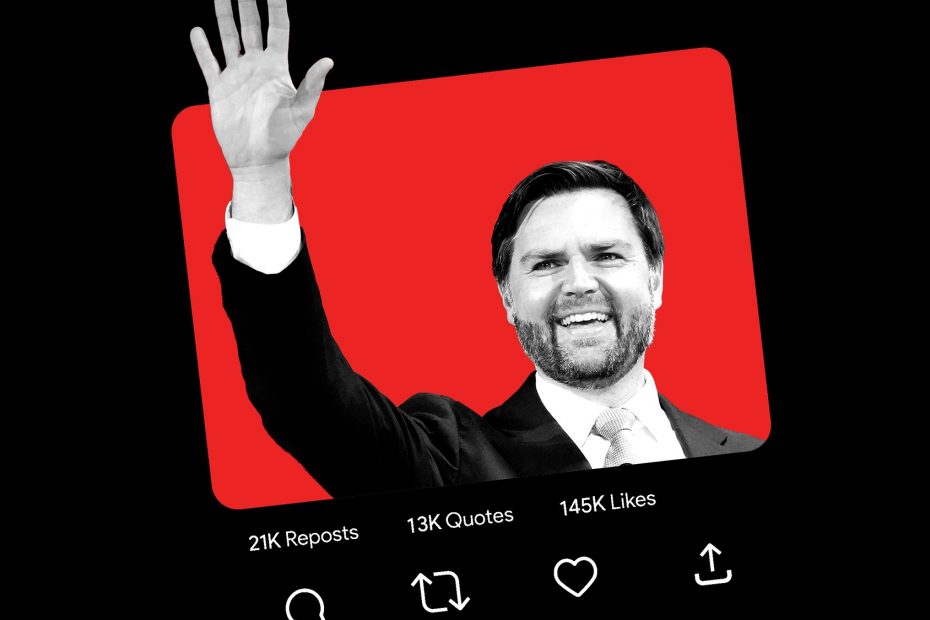
The vice presidency has long been the booby prize of American politics. “My country has in its wisdom contrived for me the most insignificant office that ever the invention of man contrived or his imagination conceived,” America’s first vice president, John Adams, lamented to his wife in 1793. J. D. Vance has been in office for only 48 days, but he has already found a better use for the largely ceremonial post than many of his predecessors: posting constantly on social media.
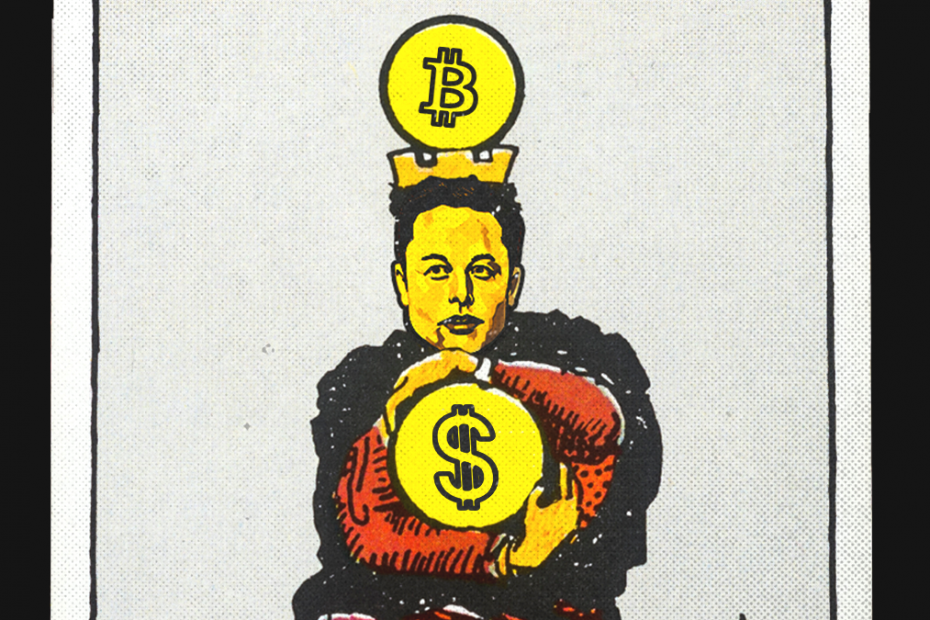
So, it was capitalism after all. More specifically, crony capitalism. I am talking, of course, about how the leaders of the tech world revealed themselves before and after the 2024 presidential election, when just a little more than half of America (and a surprisingly diverse group for an anti-DEI candidate) decided to give the job once again to the Republican nominee, Donald Trump.

On January 29, American Airlines Flight 5342 collided with a U.S. Army helicopter near Washington’s Ronald Reagan National Airport, killing 67 people, in the deadliest U.S. air disaster in recent history. That alone would have been a crisis for the Federal Aviation Administration, the agency charged with ensuring the safety of air passengers.
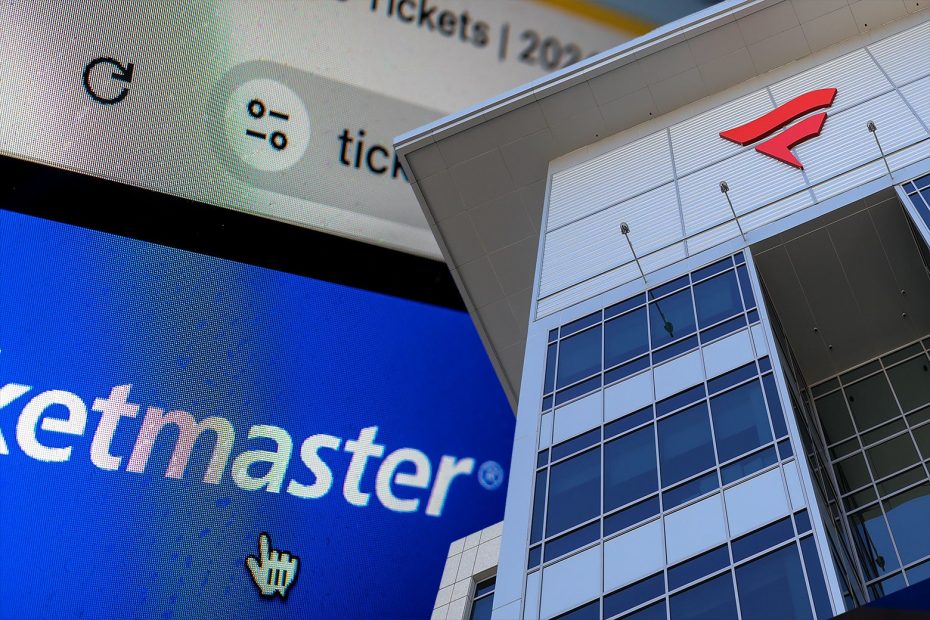
Neither of these companies needs to have its hand in another industry.
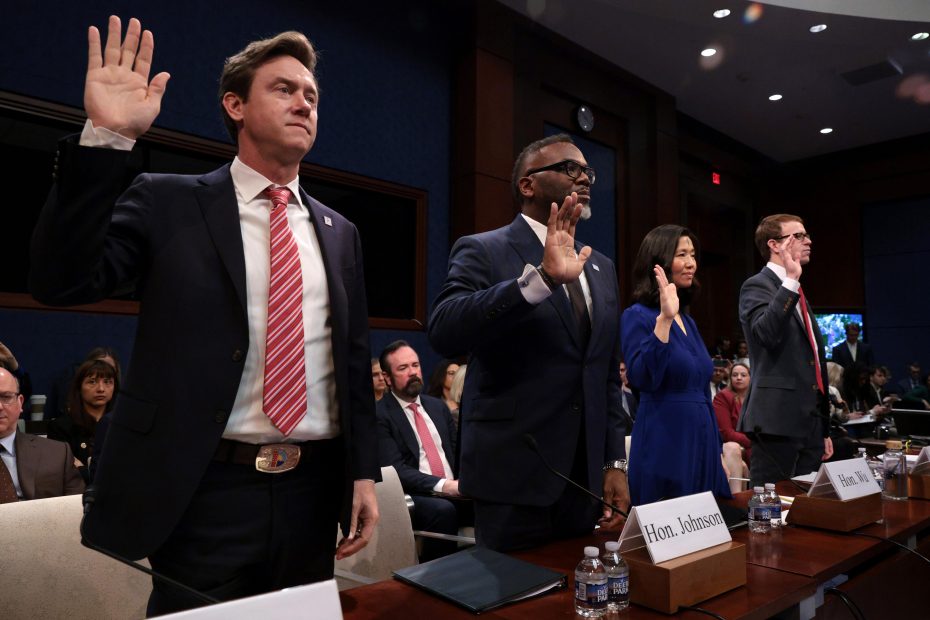
This was supposed to be the college presidents hearing redux. It didn’t work out that way.

The only thing holding this country together is the promise of a little treat, and these tariffs may just take them away.

My quest to understand the 5,600-square-foot architectural curiosity that appeared next door.
The health secretary’s muted response to the first major disease outbreak on his watch worries even some allies.
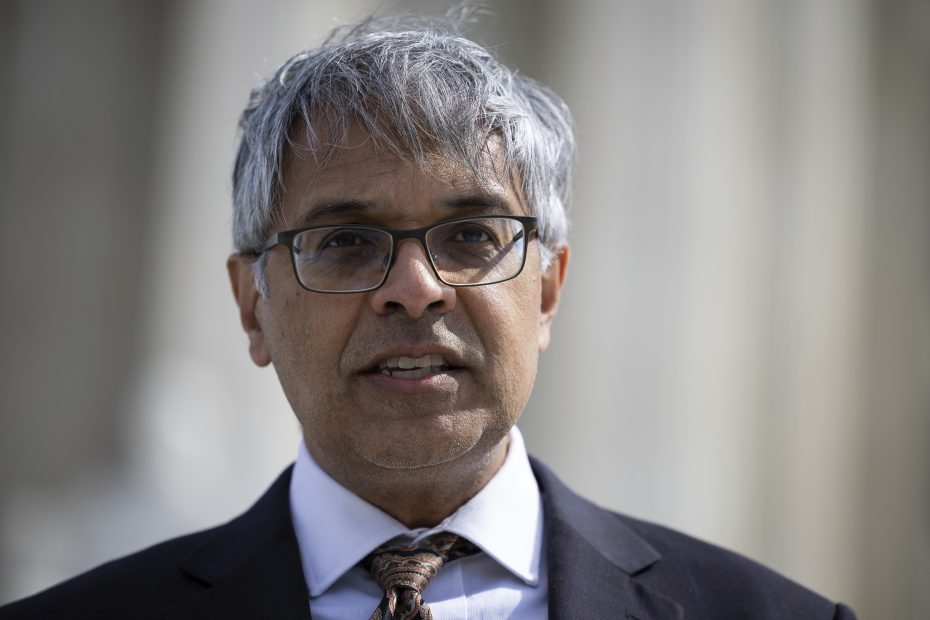
The Covid contrarian’s Senate confirmation hearing to lead the National Institutes of Health promises another airing of pandemic grievances.
An Idaho hospital is stepping in to argue that the state’s near-total abortion ban violates patients’ rights.
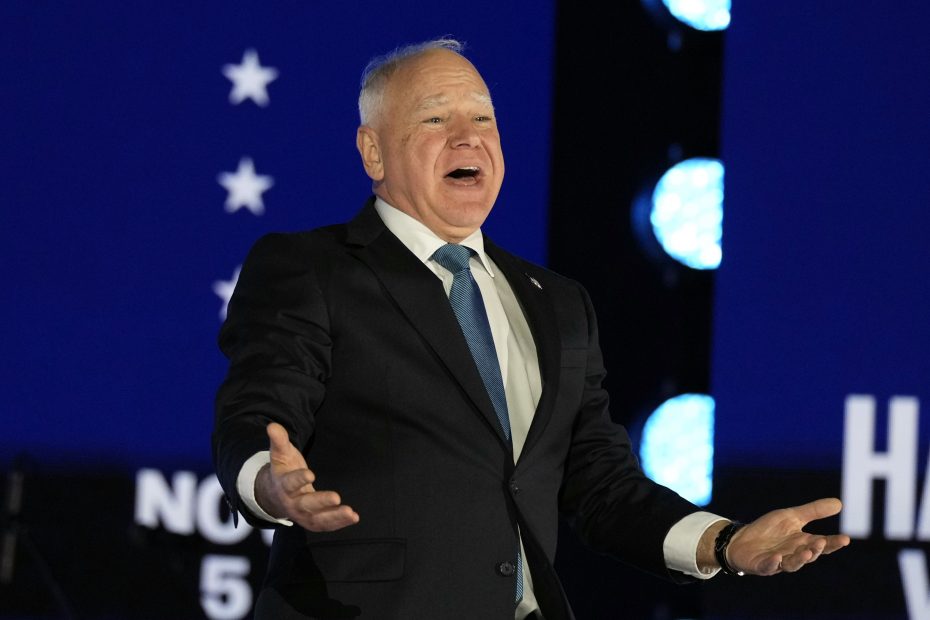
The outside group Indivisible said Democrats should hold their own town halls — and if Dems don’t, they’ll hold their own.
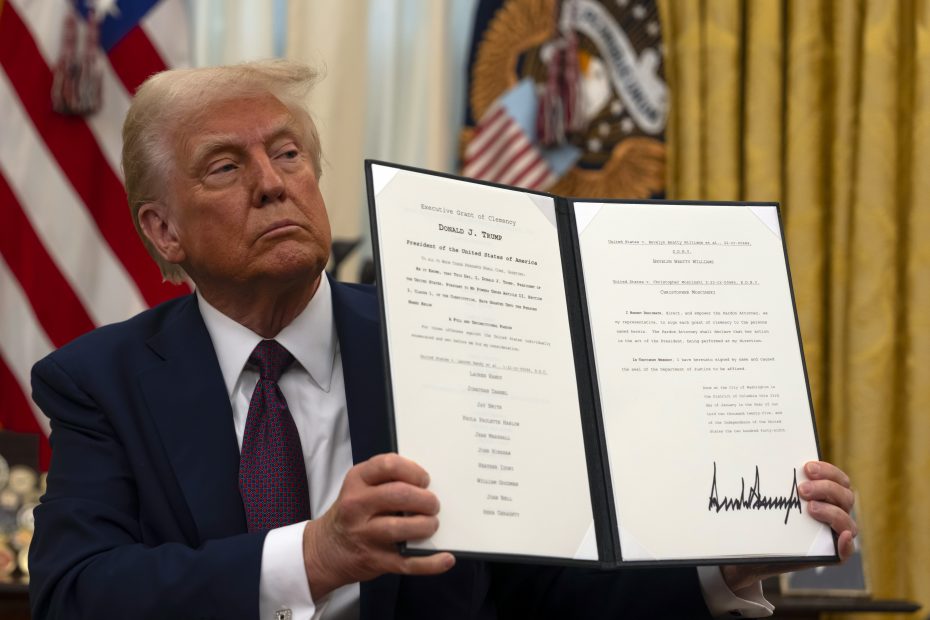
Trump’s FBI and DOJ dropped several ongoing investigations into threats against abortion clinics and issued a new memo signaling reduced enforcement going forward against such acts.

The Waves also discusses the Riverside Church controversy and the case of Sarah Milov.

What we say matters, especially depending on whom we say it to.

The Waves also discusses the case against Jeffrey Epstein and Taffy Brodesser-Akner’s Fleishman Is in Trouble.
Trump imposing new tariffs on top of broader policy uncertainty will mean a hit to growth. The question is how large of a hit it will ultimately be.
Lina Khan and her allies tried to remake antitrust law. Trump’s team is likely putting an end to that.
Look for a more emboldened president compared to the Trump of 2017.

Such challenges are the backdrop to the annual session of China’s parliament.

Nicaragua announced last week it is withdrawing from the United Nations Human Rights Council, following a U.N. report that slammed the government’s human rights violations and warned the country was becoming an authoritarian state. The report by a panel of independent human rights experts adds to international pressure on the Nicaraguan government led by President Daniel Ortega and first lady Rosario Murillo, who was recently named co-president.

Republicans in Congress are pushing forward budget plans that would cut trillions in federal spending and give trillions more in tax cuts that disproportionately benefit corporations and the ultra-rich. This week, hundreds of faith leaders gathered on the Christian holy day of Ash Wednesday on Capitol Hill to voice their opposition.
We speak with Democratic Congressmember Al Green of Texas a day after he was censured by the House of Representatives for disrupting President Donald Trump’s joint address to Congress on Tuesday night. His dramatic protest came near the start of Trump’s record-long speech. In instantly iconic images, Green rose and shook his walking cane at the president on the rostrum, telling him “You have no mandate” to cut vital government programs. Green was ejected from the chamber.
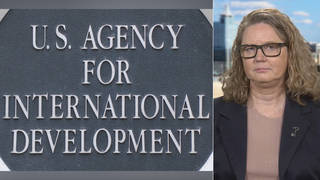
Amid ongoing chaos and outrage stemming from the Trump administration’s gutting of the U.S. Agency for International Development, we hear a critique of USAID and the “humanitarian-industrial complex” from South African anthropologist Kathryn Mathers. ”USAID is very much a part of a system and industry that not only depends on global inequality … but in many ways produces it,” she says.
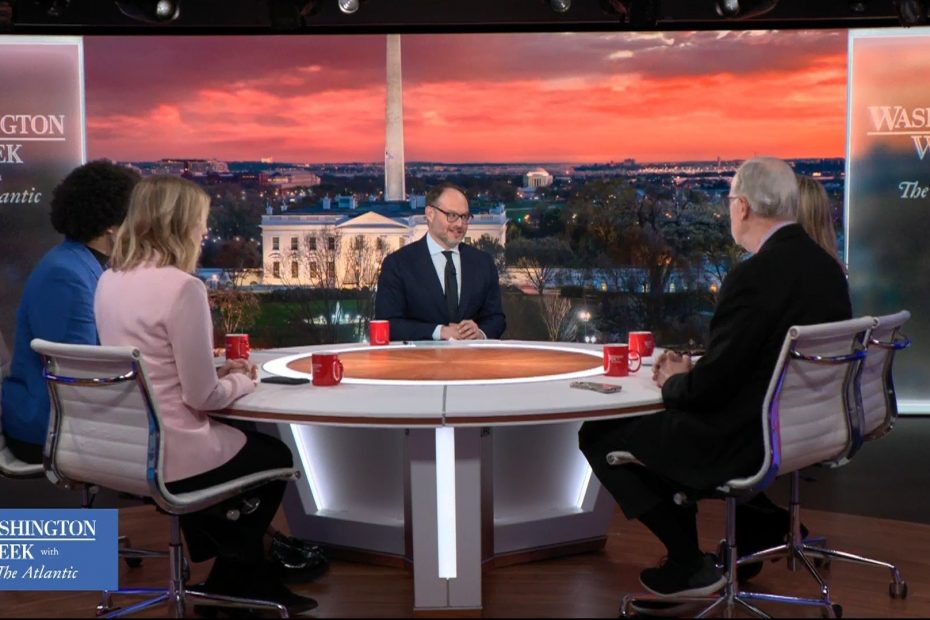
Editor’s Note: Washington Week With The Atlantic is a partnership between NewsHour Productions, WETA, and The Atlantic airing every Friday on PBS stations nationwide. Check your local listings, watch full episodes here, or listen to the weekly podcast here.
Donald Trump’s unpredictable economic policies have rattled the markets and prompted warnings of a possible recession. Panelists joined on Washington Week With The Atlantic to discuss new warning signs that indicate a negative impact on U.S.

This is an edition of The Wonder Reader, a newsletter in which our editors recommend a set of stories to spark your curiosity and fill you with delight. Sign up here to get it every Saturday morning
It’s that time of the year, when clocks become the subject of unusually heated debate. As far as hours go, the extra one that daylight saving time provides is a controversial one. At least a few Americans are such die-hard fans of DST that they choose to live on it all year round.

J. D. Vance doesn’t look like himself. In recent days, memes have spread across social media in which the vice president’s face has been Photoshopped to give him cartoonishly chubby cheeks. He looks like a bearded baby or Humpty Dumpty. Sometimes, he is holding a lollipop and wearing a child’s baseball cap with a propeller affixed to the top.
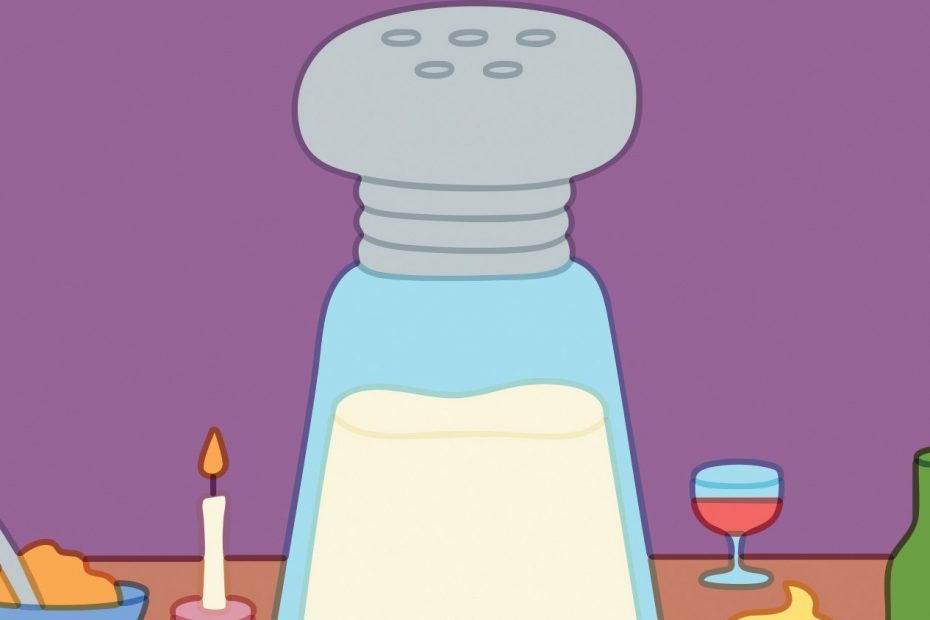
When I was a child, in the 1990s, there was only one kind of salt; we called it “salt.” It came in a blue cylindrical container—you probably know the one—and we dumped it into pasta water and decanted it into shakers. I didn’t know that any other kind existed, and the women who taught me to cook didn’t seem to, either: Joy of Cooking, Mastering the Art of French Cooking, and Moosewood Cookbook all call, simply, for “salt” in their recipes.