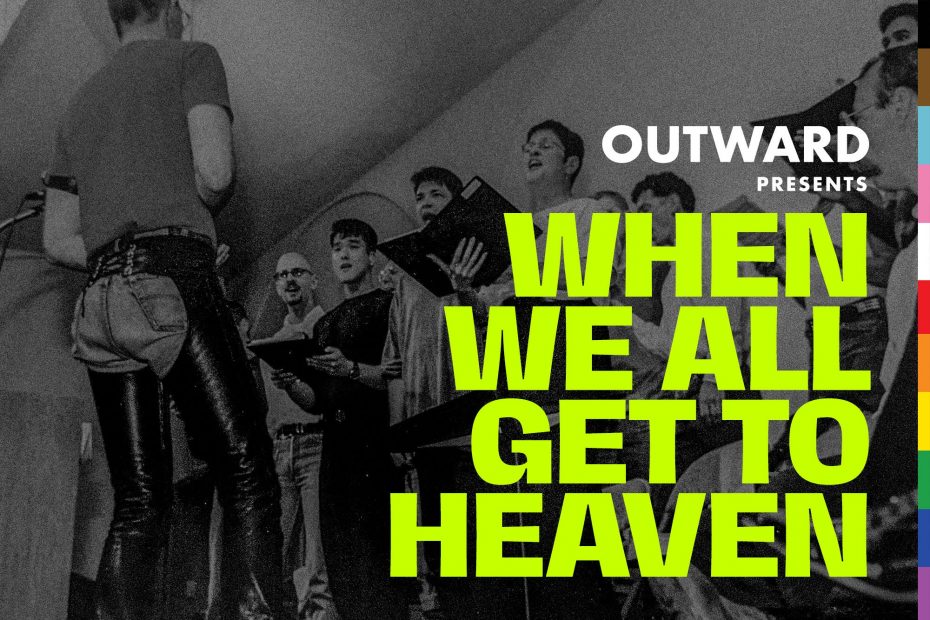
When Church Was a Queer Space
Outward’s hosts sit down with the host and co-creator of When We All Get to Heaven.
Outward’s hosts sit down with the host and co-creator of When We All Get to Heaven.
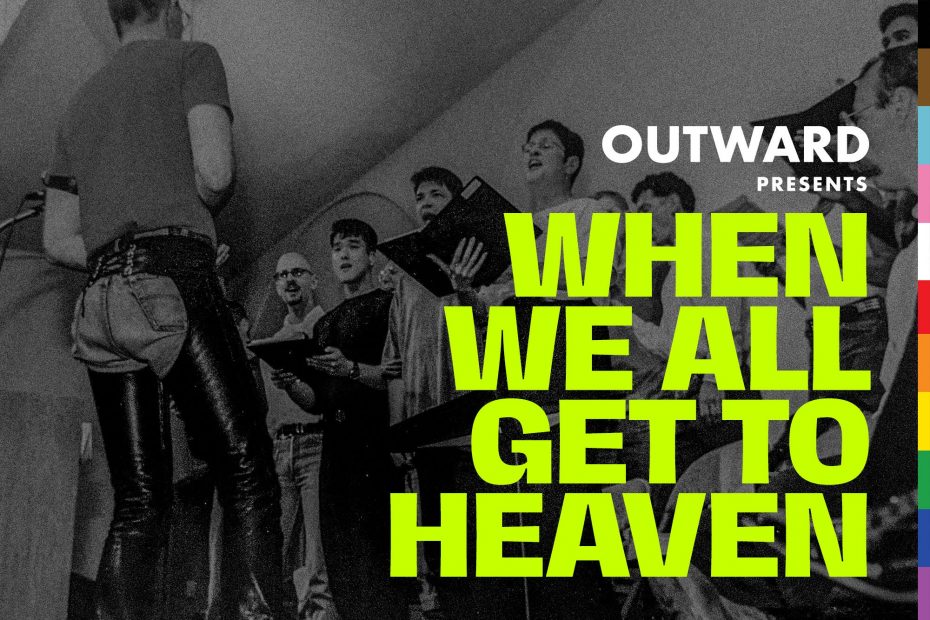
The neighborhood changes, the church moves, people forget and remember “the AIDS years,” but AIDS isn’t over.
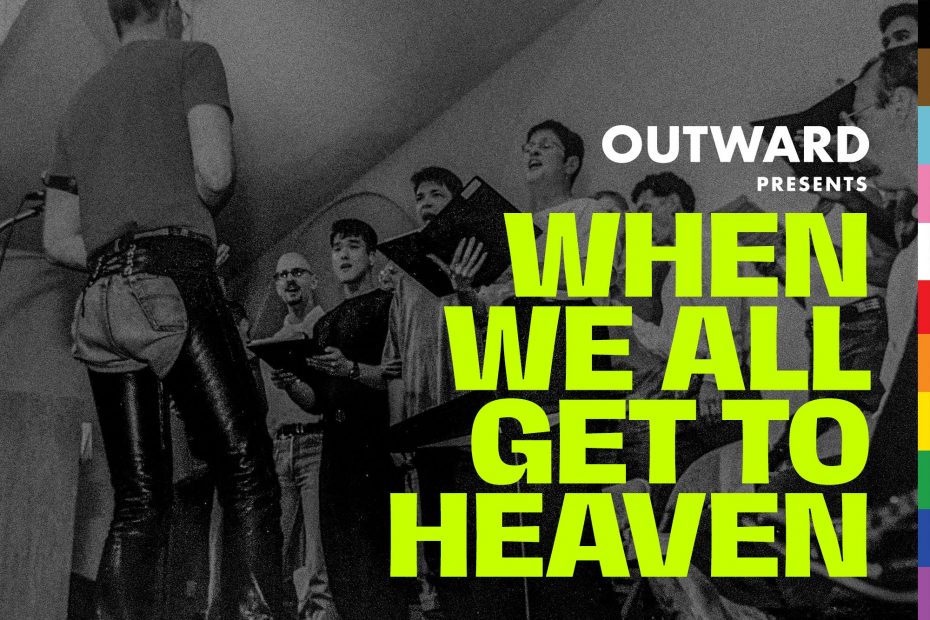
The AIDS cocktail opens new possibilities. And MCC San Francisco tries to use the experience of AIDS to make bigger social change.
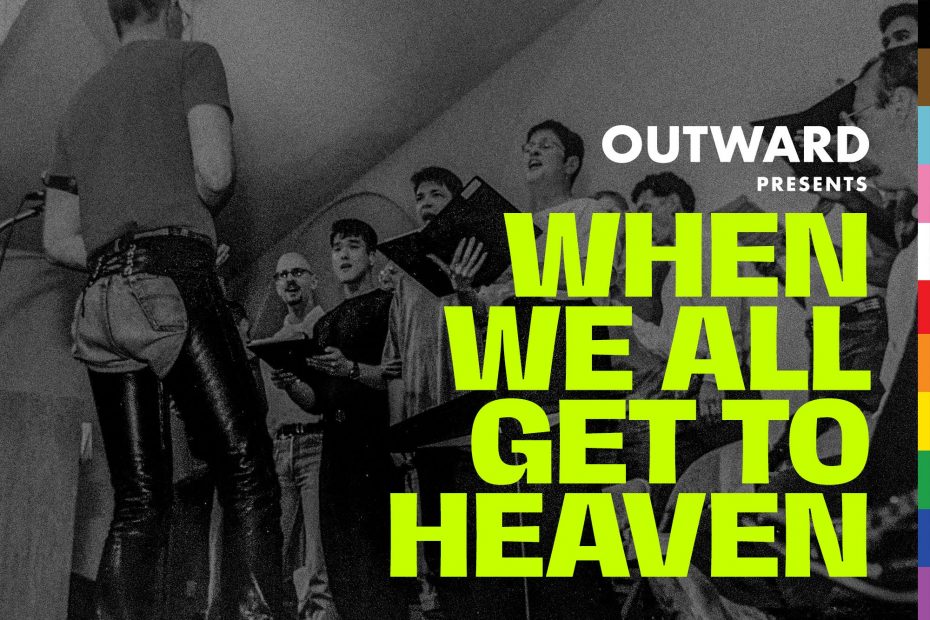
The church’s minister gets sick and everyone knows it.
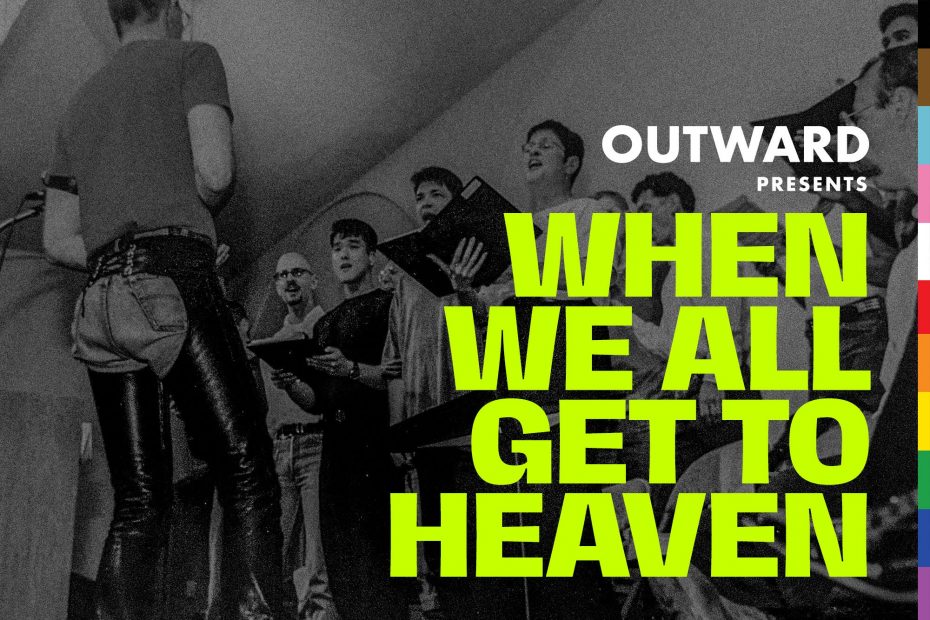
The church’s “it couple” faces AIDS, caregiving, and loss as part of a pair, part of families, and part of a community.
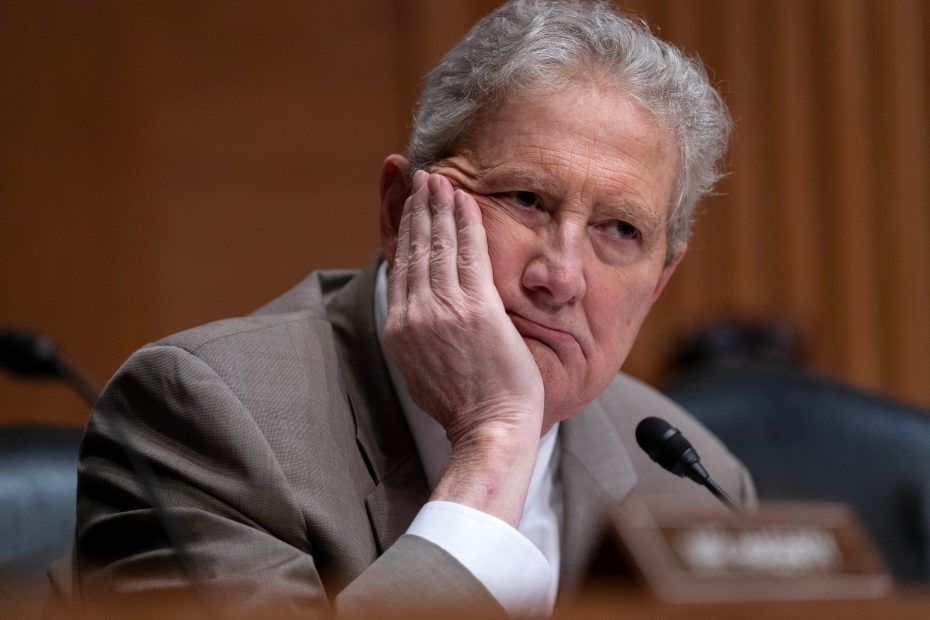
The Louisiana Republican’s comments come as both Democrats and Republicans have been forced to find ways to address the backlash against data centers.
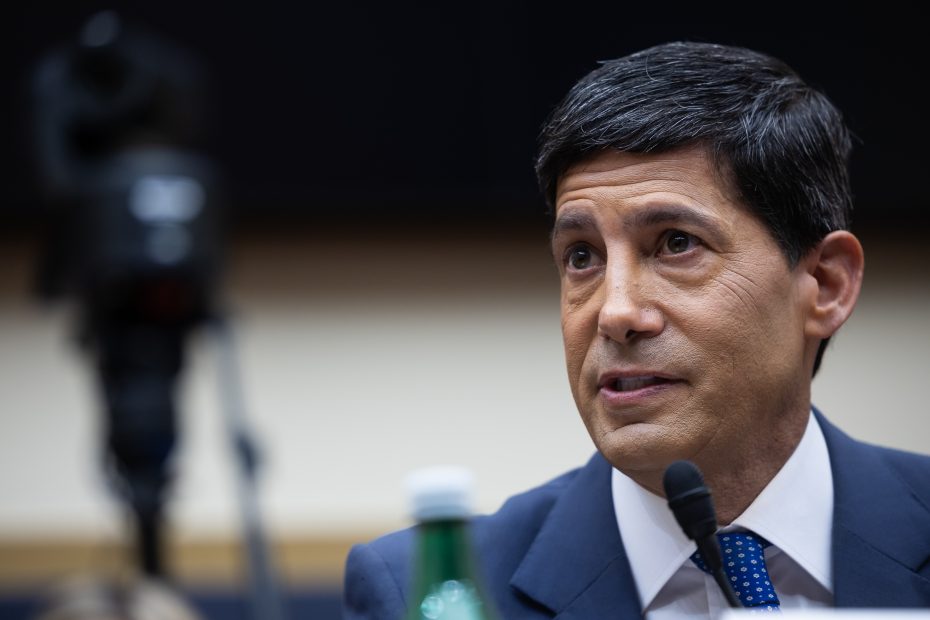
The new Fed chair will have the spotlight at the central bank’s high-profile conference in Jackson Hole. He should use it.
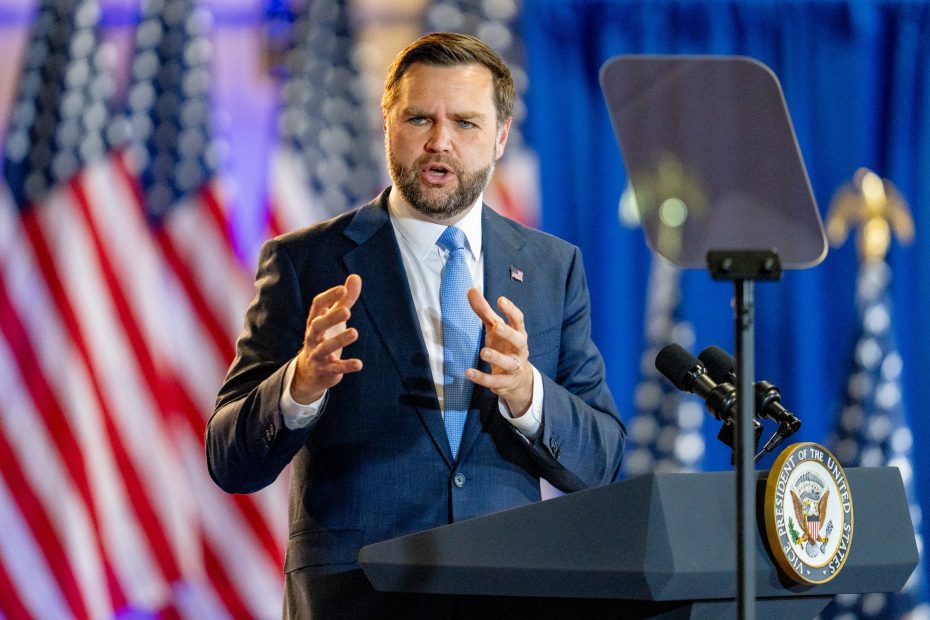
Vice President JD Vance’s visit marked his second to Maine’s 2nd Congressional District in four months.
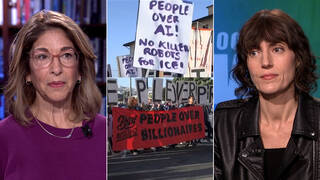
We’re joined by Naomi Klein and Astra Taylor, co-authors of the book End Times Fascism, for a wide-ranging conversation on the multitrillion-dollar global investment in artificial intelligence and its reverberating effects around the world.
Klein recently spoke at the People’s AI Assembly, alongside other critics of the artificial intelligence industry, including New York City Mayor Zohran Mamdani and former chair of the Federal Trade Commission Lina Khan.
On Tuesday, the world found out about two massive security vulnerabilities in PHP, a programming language that is used by roughly 70 percent of websites. The flaw was discovered by cybersecurity researchers using a frontier model from OpenAI. If they exploited it, attackers could gain full control of servers, stealing or copying anything inside or simply taking sites offline.
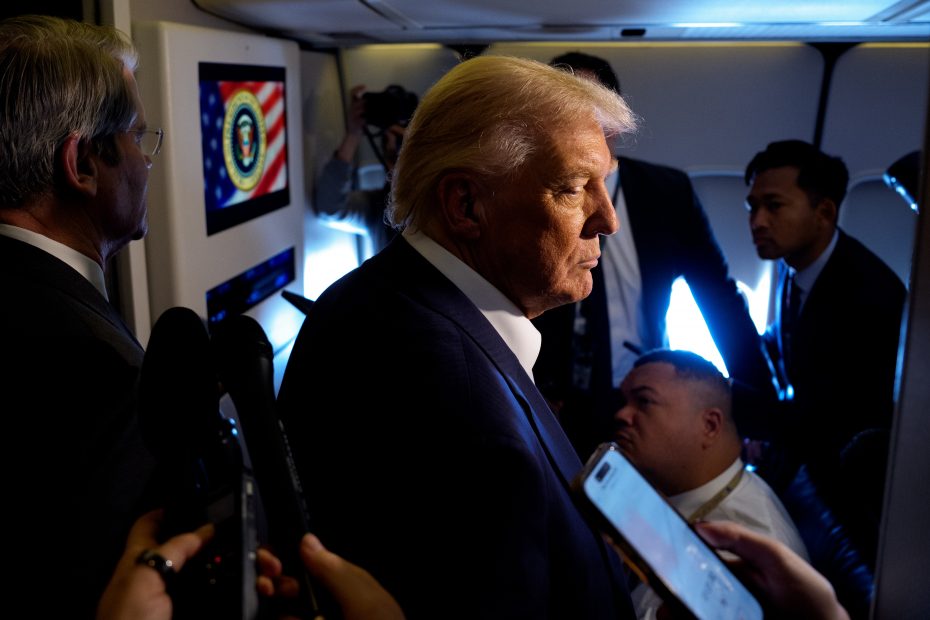
President Trump has been hearing lately from two trusted confidants, each promising a quick path to ending the war in Iran. Treasury Secretary Scott Bessent has argued that Iran is on the brink of economic collapse and that a U.S. blockade of the Strait of Hormuz, combined with sanctions, will force Tehran to capitulate at the negotiation table. Israeli Prime Minister Benjamin Netanyahu, in a series of calls with Trump, has offered a different route: one more round of devastating U.S.
The Treasury Department’s proposed restrictions on U.S. investment in Chinese biopharma collide with Beijing’s new export curbs on cutting edge biotech innovations.

This is an edition of Time-Travel Thursdays, a journey through The Atlantic’s archives to contextualize the present. Sign up here.
For William E. Smythe, the future of the West was clear. At the turn of the 20th century, long before low snowpacks and the climate crisis, before tens of millions of people moved westward, the New Englander turned western settler understood that water defined how life could be lived in the region.

Three months prior to the launch of ChatGPT, OpenAI published what would prove to be a prescient blog outlining the firm’s approach to ensuring that its AI models would be safe and beneficent. This goal, known as “alignment”—as in, aligning AI with human values—is nebulous, grand, and perhaps the AI industry’s most foundational promise. The notion is right there in OpenAI’s mission statement to ensure AI “benefits all of humanity” and listed as one of Anthropic’s “primary” goals.
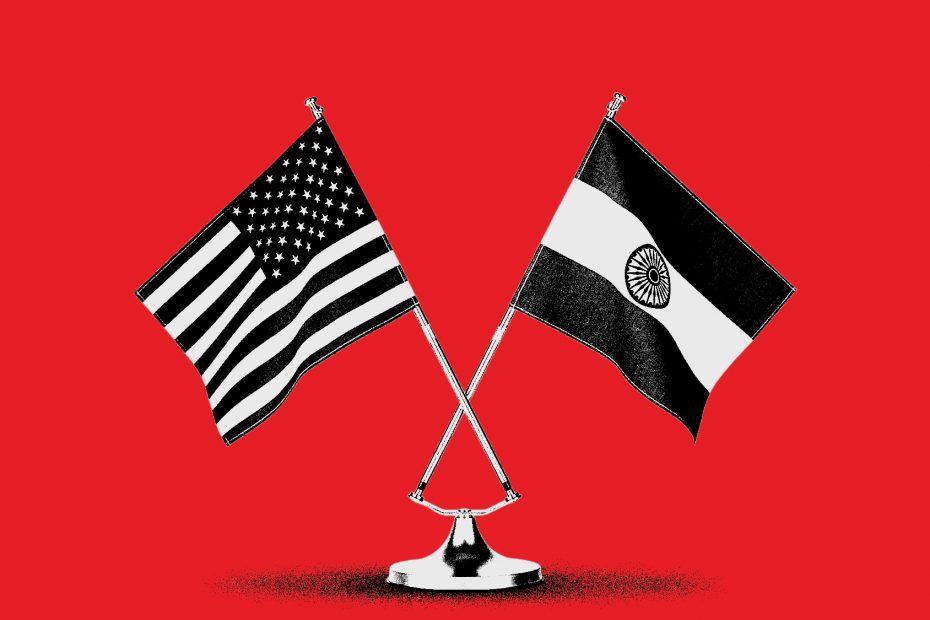
Ask many successful Indian CEOs, entrepreneurs, or scientists how they rose to prominence in America, and they will tell you that, grit and talent aside, the key factor was the country itself: an economy and a culture that rewarded merit and drew ambitious, talented people from around the world.
Indian Americans are among the most affluent and best-educated groups in the country. What distinguishes them from other immigrant groups is that they have risen to the top in one generation.
A court in India on Wednesday ordered the release of two leaders of the Cockroach Janta Party, the youth-led movement that has led historic waves of protests in India since the summer. Ashutosh Ranka and Saurav Das were detained amid massive protests last week after they scaled a barricade to enter a site popular for protest, unfurled the national flag and called for the resignation of Chief Election Commissioner Gyanesh Kumar.
In a Canberra Playbook Podcast interview Jim Chalmers accused Liberals of wanting Australians to suffer, as their path back to power.
The growing controversy over AIPAC’s impact on U.S. politics is the subject of a new Zeteo documentary titled Night Flower: Inside AIPAC’s Fight for Influence. The film examines AIPAC’s history and its role in shaping U.S. policy toward Israel, and questions whether its activities warrant further scrutiny under the Foreign Agents Registration Act, or FARA.
One of the most closely watched races in the midterm elections is in Michigan between Democrat Abdul El-Sayed and Republican Mike Rogers. El-Sayed is a former public health official who is campaigning on a platform of Medicare for All, ending military aid to Israel, and getting corporate money out of politics. Rogers is a former Republican congressman backed by President Trump.
If elected, El-Sayed would become the first Muslim to serve in the U.S. Senate.
Jim Chalmers warns global pressures mean more domestic pain.

The war for the radio waves has been won by the army that absolutely leans right.

Despite skyrocketing inflation and a complex supply chain, cheap bananas remain an American staple.

A Trump-connected media empire is turning Hollywood upside down.

David Skeel details his time helping restore financial stability to the island and why governments of all sizes should take heed.

The nepo-billionaire has reached a deal to merge Paramount Skydance with Warner Bros. Discovery.
Democrats’ confidence in their health care message is showing up on the airwaves and the debate stage.

Tony Lyons, who leads the Make America Healthy Again movement the health secretary started, was in the London courthouse for jury selection.
It’s the first big outlay from Make America Healthy Again groups since they helped take down GOP Sen. Bill Cassidy in May.

The Medicaid funding is supposed to cover health care for low-income people.

Both run by Democrats, New York is calling in the federal government for help, while Pennsylvania delayed formally involving the Trump administration.