Today's Liberal News

William H. McRaven

The Burden They Carry

Wheeling the old warriors
off the Honor Flight plane
with flags and banners,
people calling their names.
From Chosen to Kabul,
from Baghdad to Hue,
after all these years
today was their day.
Oh, the burden they carry,
I heard one woman say.
I wonder if our children
would serve today?
But not far off
another plane left,
with soldiers and sailors,
their solemn duty kept.
Nearby, a young wife,
two children at her side.
It’s the burden she carries
as the plane took flight.

I Remember

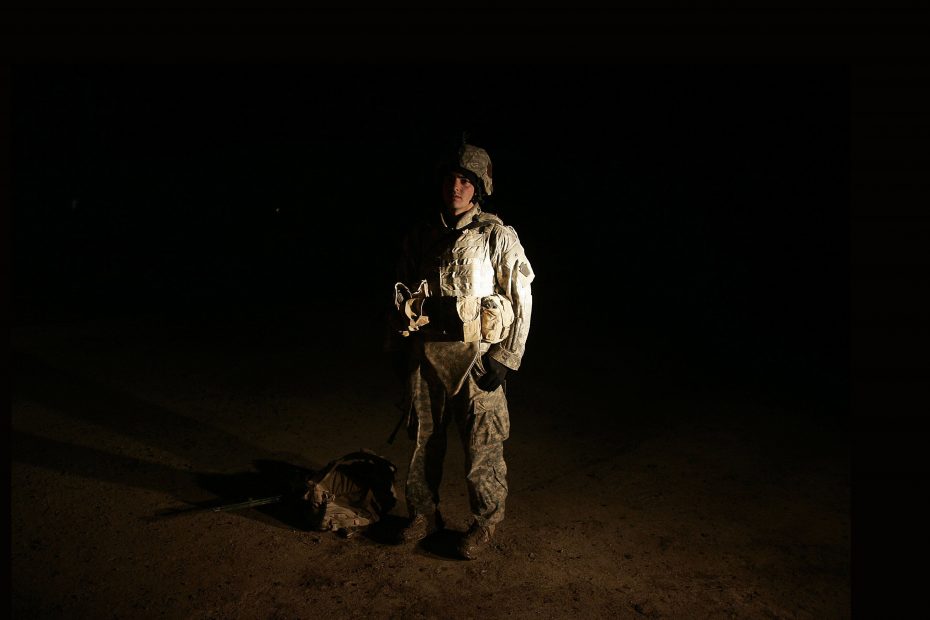
I remember the heat.
A dry, suffocating torrent.
The blazing, burning sun
baking the tarmac.
No clouds, no trees,
just a furnace of hate.
I feel the hate.
I remember the heat.
I remember the dust.
Filling our nostrils, caking our mouths.
It rained from the sky
and rose from the ground.
With every turn of the tire
and step of the foot there was dust.
Dust, everywhere dust.
I remember the heaviness.
The helmet pressing on my head,
the armor squeezing my chest.

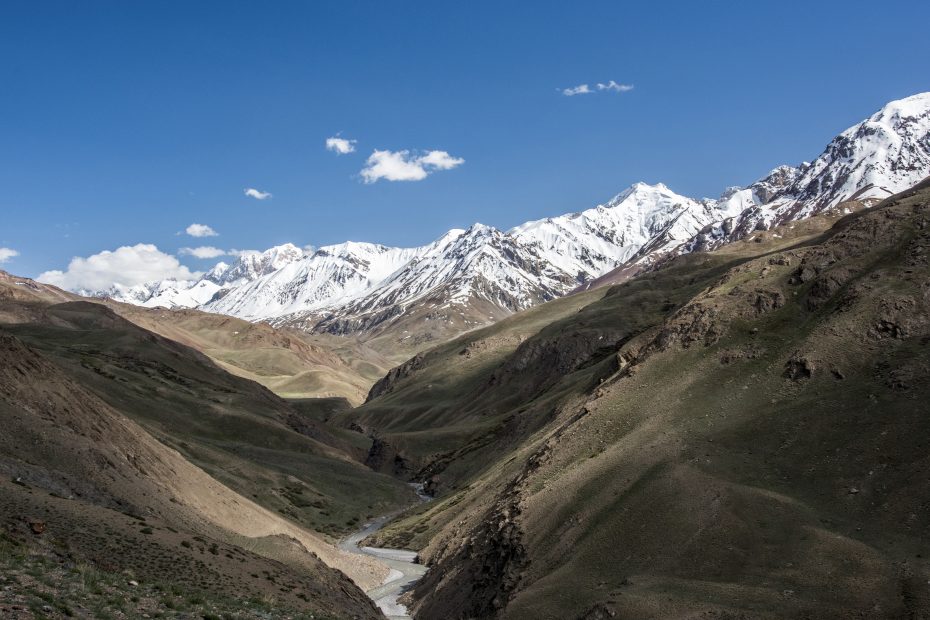
Departing Afghanistan

The Atlantic has often channeled the resources of poetry—its charged and immediate patterns of language—to mourn and memorialize the war dead. The earliest years of the magazine spanned the Civil War, during which the editors published dirges, elegies, and ballads that told stories to console, to heal, to hearten. An elegy for Rupert Brooke took the sonnet into a new, modern vernacular at the time of the First World War.

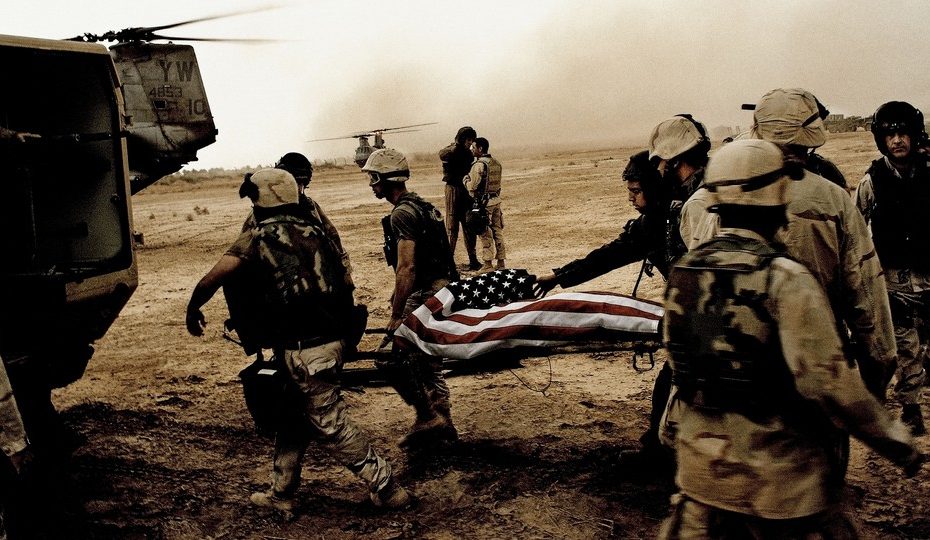
The Crosses

This poem is dedicated to all the men and women, regardless of faith, who made the ultimate sacrifice for this nation.       I have stood before the crosses
as we laid a soldier down.
They cast a simple shadow
upon the upturned ground.The bugler sounds taps
as each cross its witness bears
to the journey of a soldier
released from earthly cares.