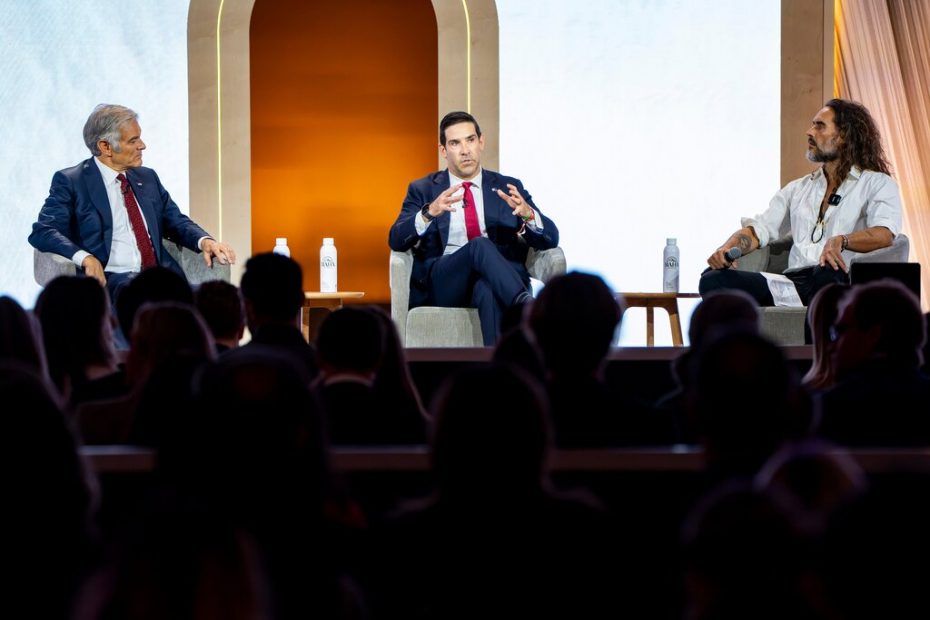
RFK Jr. and his allies are standing by Russell Brand as the comedian’s rape trial begins
Tony Lyons, who leads the Make America Healthy Again movement the health secretary started, was in the London courthouse for jury selection.
Tony Lyons, who leads the Make America Healthy Again movement the health secretary started, was in the London courthouse for jury selection.
It’s the first big outlay from Make America Healthy Again groups since they helped take down GOP Sen. Bill Cassidy in May.

Outward’s hosts sit down with the host and co-creator of When We All Get to Heaven.

The neighborhood changes, the church moves, people forget and remember “the AIDS years,” but AIDS isn’t over.

The AIDS cocktail opens new possibilities. And MCC San Francisco tries to use the experience of AIDS to make bigger social change.

The church’s minister gets sick and everyone knows it.

The church’s “it couple” faces AIDS, caregiving, and loss as part of a pair, part of families, and part of a community.
In a Canberra Playbook Podcast interview Jim Chalmers accused Liberals of wanting Australians to suffer, as their path back to power.
Jim Chalmers warns global pressures mean more domestic pain.
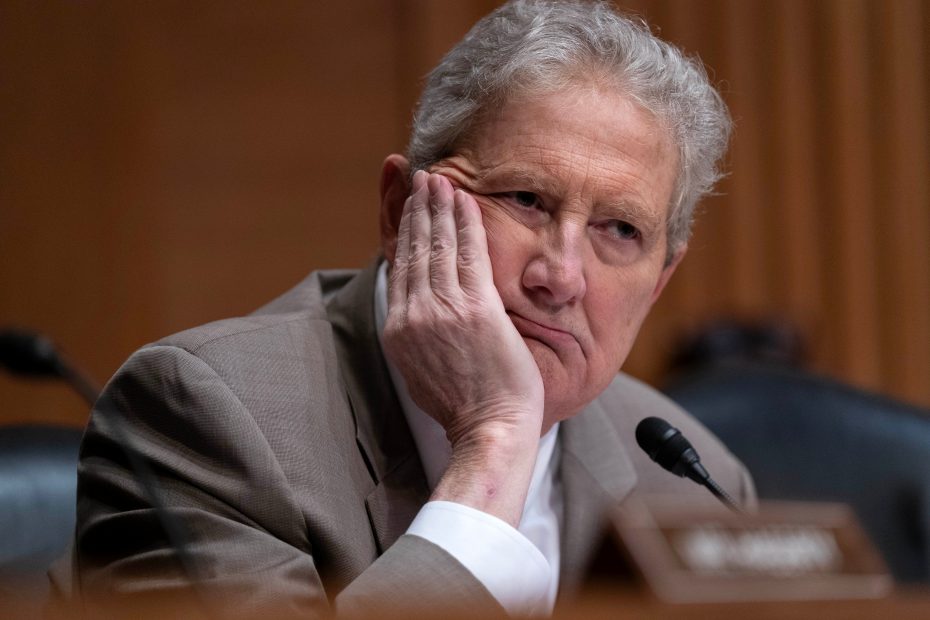
The Louisiana Republican’s comments come as both Democrats and Republicans have been forced to find ways to address the backlash against data centers.
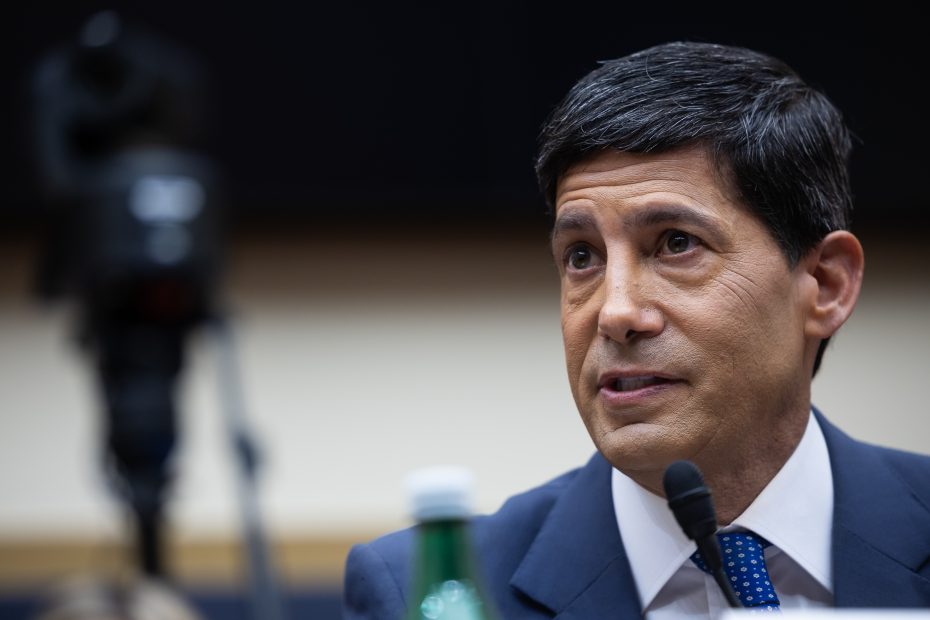
The new Fed chair will have the spotlight at the central bank’s high-profile conference in Jackson Hole. He should use it.
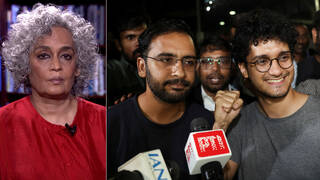
A court in India on Wednesday ordered the release of two leaders of the Cockroach Janta Party, the youth-led movement that has led historic waves of protests in India since the summer. Ashutosh Ranka and Saurav Das were detained amid massive protests last week after they scaled a barricade to enter a site popular for protest, unfurled the national flag and called for the resignation of Chief Election Commissioner Gyanesh Kumar.
Not too long ago, the Department of Justice could generally be trusted to prosecute cases in which lawyers believed that real wrongdoing had occurred. Now DOJ frequently unveils lawsuits that seem designed mostly for securing likes and reposts on right-wing social media—the actual facts be damned. Any high-profile criminal case brought by the Trump administration arrives with an air of suspicion.
Today, Jeanine Pirro, the top federal prosecutor for Washington, D.C.
This is an edition of The Atlantic Daily, a newsletter that guides you through the biggest stories of the day, helps you discover new ideas, and recommends the best in culture. Sign up for it here.
American politics is saturated with cash, and each election cycle seems to set new spending records—and yet, with the midterms in the home stretch, neither party thinks it has enough money. The irony is nearly as rich as the biggest donors.
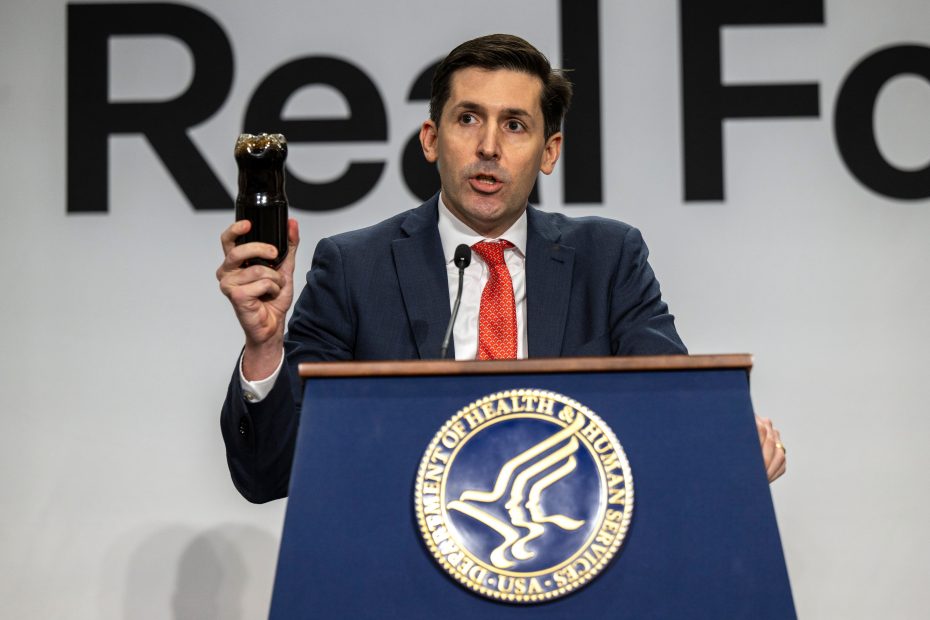
Calley Means’ departure is the latest sign that Kennedy’s supporters are unhappy with how the White House is treating them.
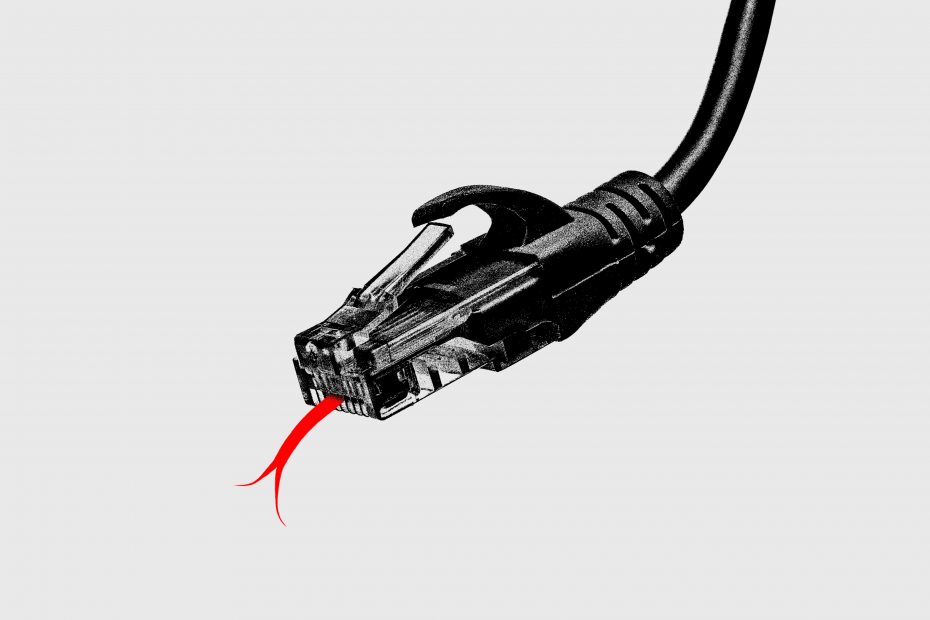
This week could go down as the worst in the history of cybersecurity. On Wednesday, news emerged about two major vulnerabilities in PHP, a programming language used by 70 percent of websites, which prompted governments, hospitals, and companies around the world to take digital services offline as a precaution. There have already been millions of attempts to exploit these weaknesses.
But the PHP vulnerabilities were just the most attention-grabbing in a series of alarming revelations.
Last week, Senator Edward Markey published a social-media post seeking interns for his Boston office. He wrote that “BIPOC, LGBTQ+, working class, veterans, and other underrepresented candidates with Massachusetts ties are encouraged to apply.” Outrage quickly followed: Critics treated the post not as a straightforward attempt to encourage diversity in job applications, but rather as a discriminatory signal that white men would be disadvantaged in hiring.
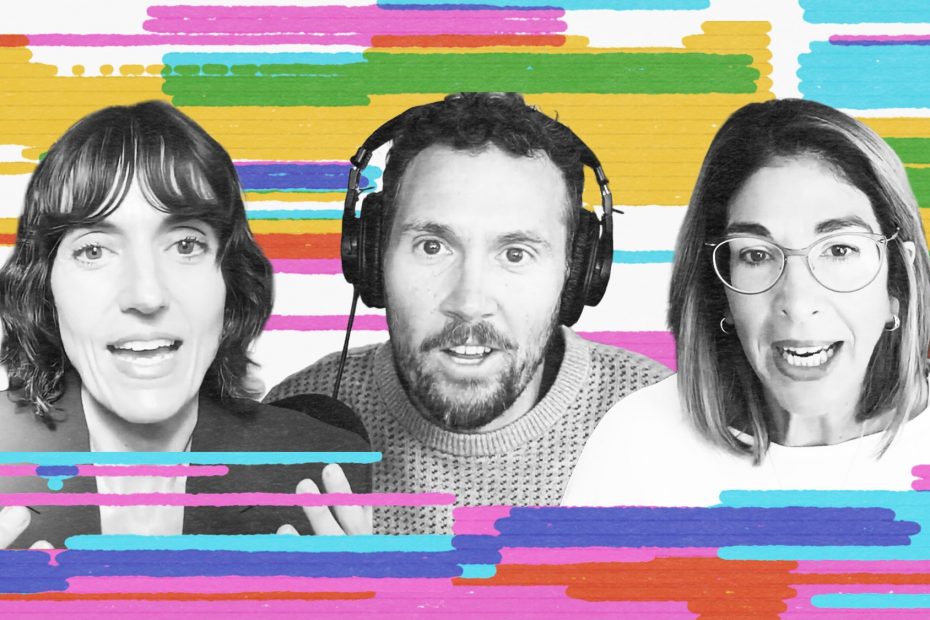
Subscribe here: Apple Podcasts | Spotify | YouTube
It can feel like an existential moment right now—one where many tech leaders are both warning against and accelerating the destructive forces of AI. But Naomi Klein and Astra Taylor argue that this could also be a turning point toward building something better. The authors of End Times Fascism talk with Galaxy Brain host Charlie Warzel about runaway wealth, the politics of AI, and how to prepare if the tech-bloated market crashes.

At least 59 people have died in ICE custody since the start of President Donald Trump’s second term, the highest number in more than a decade. Many deaths have been linked to medical neglect, including four of five recent deaths at California’s Adelanto Processing Center, according to a 2026 report by the state attorney general.

Brazilian voters are heading to the polls on Sunday for the presidential runoff between incumbent President Luiz Inácio Lula da Silva and far-right Senator Flávio Bolsonaro, with polls showing a tight race that will decide whether Brazil remains led by the left or joins the right-wing surge across Latin America.
We speak to reporter Laís Martins of The Intercept Brasil.
President Donald Trump and Vice President JD Vance have both defended Ohio gubernatorial candidate Vivek Ramaswamy after his campaign released a TV ad that appears to accuse Democratic nominee Amy Acton of lying about being sexually abused as a child. Acton’s stepfather was indicted in 1978 on charges of sexually assaulting her when she was between 10 and 12 years old, though he fled before he could be convicted.

The war for the radio waves has been won by the army that absolutely leans right.
Despite skyrocketing inflation and a complex supply chain, cheap bananas remain an American staple.
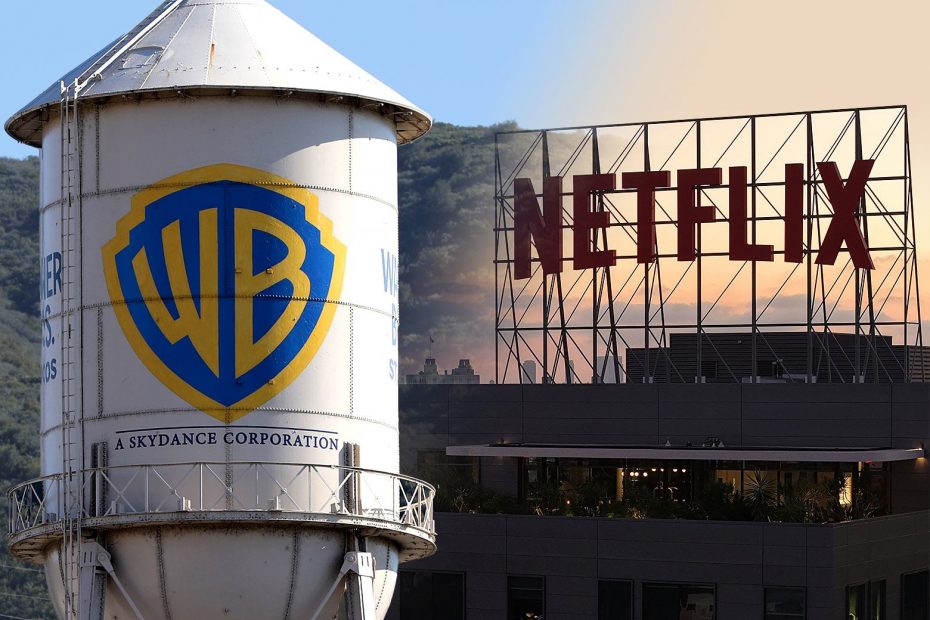
A Trump-connected media empire is turning Hollywood upside down.
David Skeel details his time helping restore financial stability to the island and why governments of all sizes should take heed.
The nepo-billionaire has reached a deal to merge Paramount Skydance with Warner Bros. Discovery.
Democrats’ confidence in their health care message is showing up on the airwaves and the debate stage.
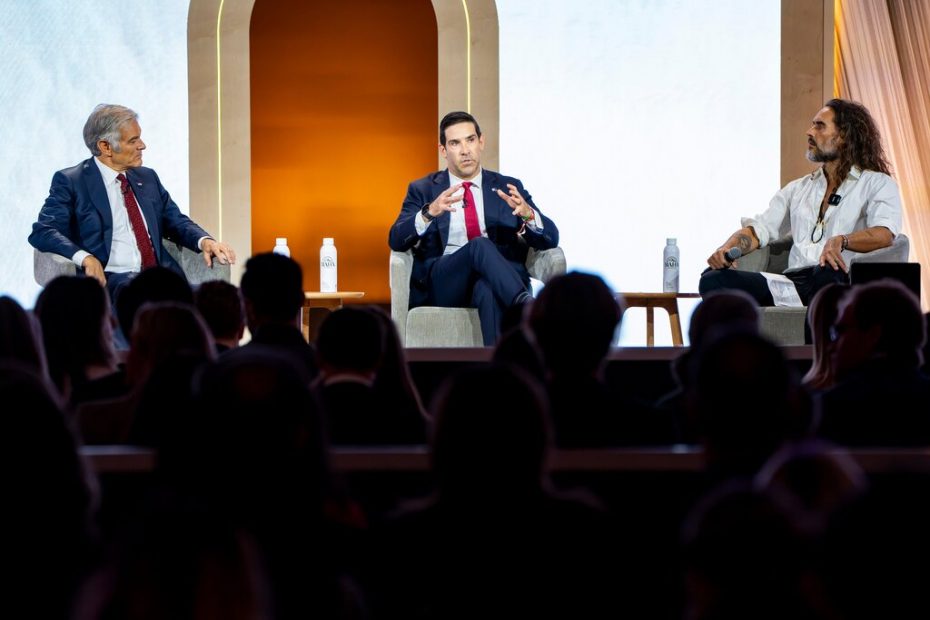
Tony Lyons, who leads the Make America Healthy Again movement the health secretary started, was in the London courthouse for jury selection.
It’s the first big outlay from Make America Healthy Again groups since they helped take down GOP Sen. Bill Cassidy in May.
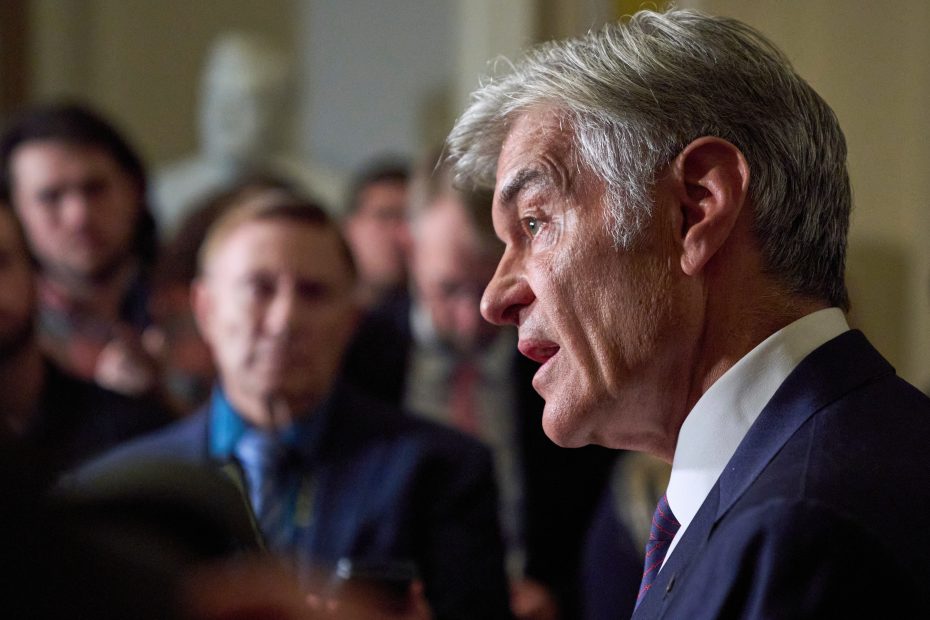
The Medicaid funding is supposed to cover health care for low-income people.