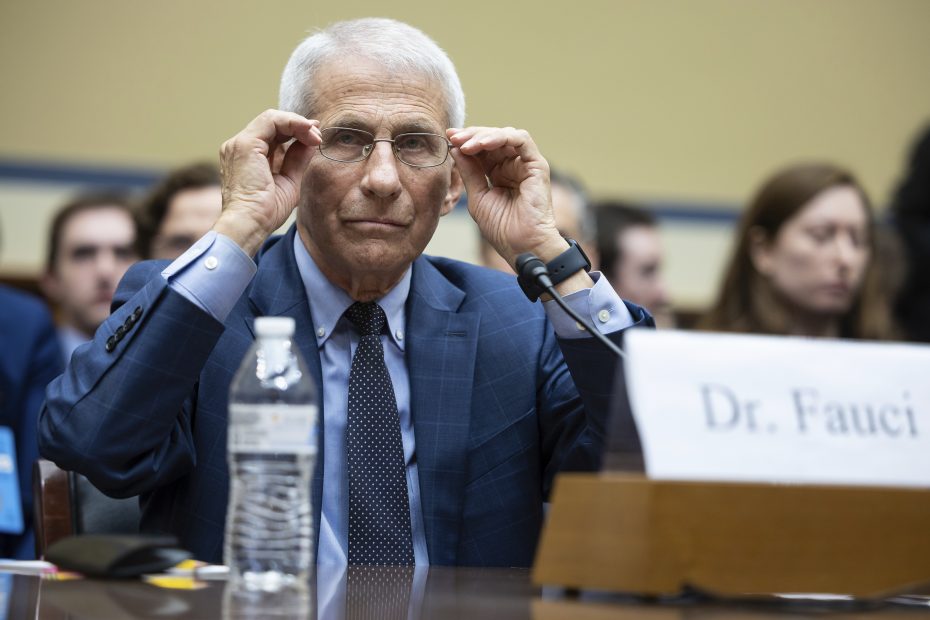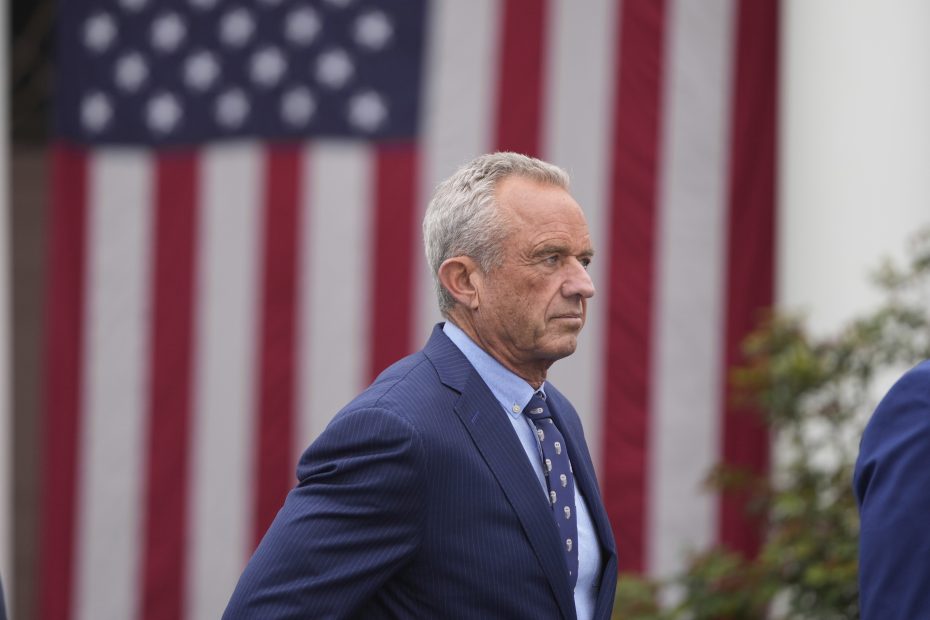
Kennedy shutters several FOIA offices at HHS
The department plans to consolidate all agency FOIA offices into one.

The department plans to consolidate all agency FOIA offices into one.
This is an edition of Time-Travel Thursdays, a journey through The Atlantic’s archives to contextualize the present and surface delightful treasures. Sign up here.
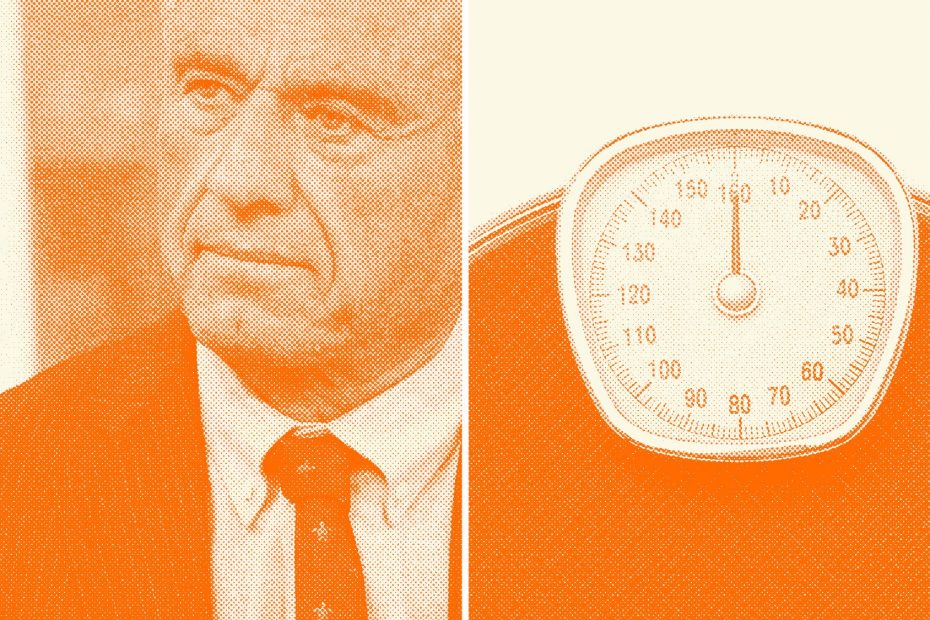
Last week, at an event in West Virginia, Health Secretary Robert F. Kennedy Jr. fat-shamed the state’s governor, Patrick Morrisey. “The first time I saw him, I said you look like you ate Governor Morrisey,” Kennedy told a laughing crowd. Morrisey has apparently invited Kennedy to be his personal trainer.
Want to stay current with Arthur’s writing? Sign up to get an email every time a new column comes out.
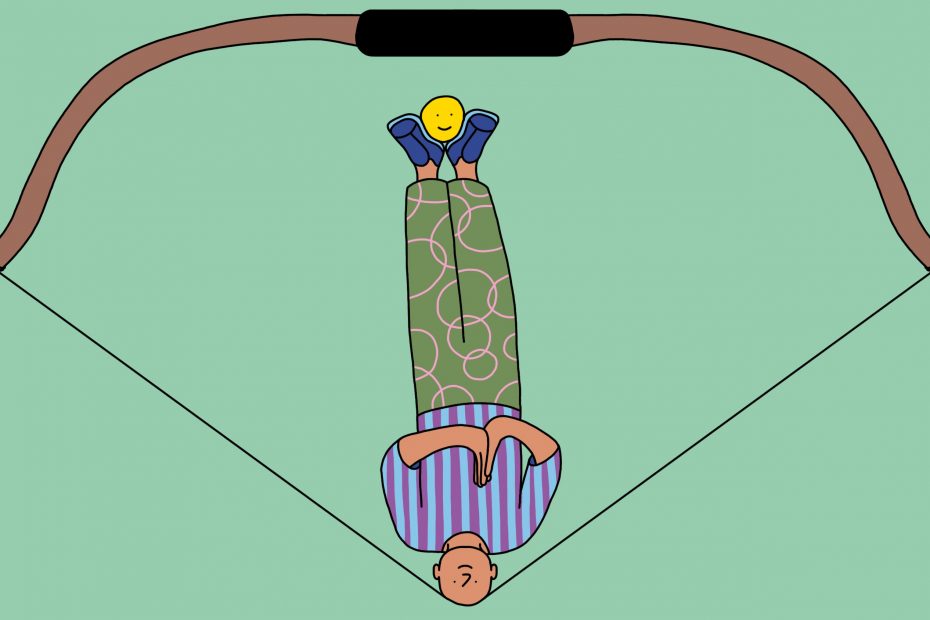
In 1924, a German professor named Eugen Herrigel set out to learn about Zen Buddhism, which was starting to penetrate the West. He found a teaching position in Japan, where he hoped to locate someone who could instruct him in the philosophy.
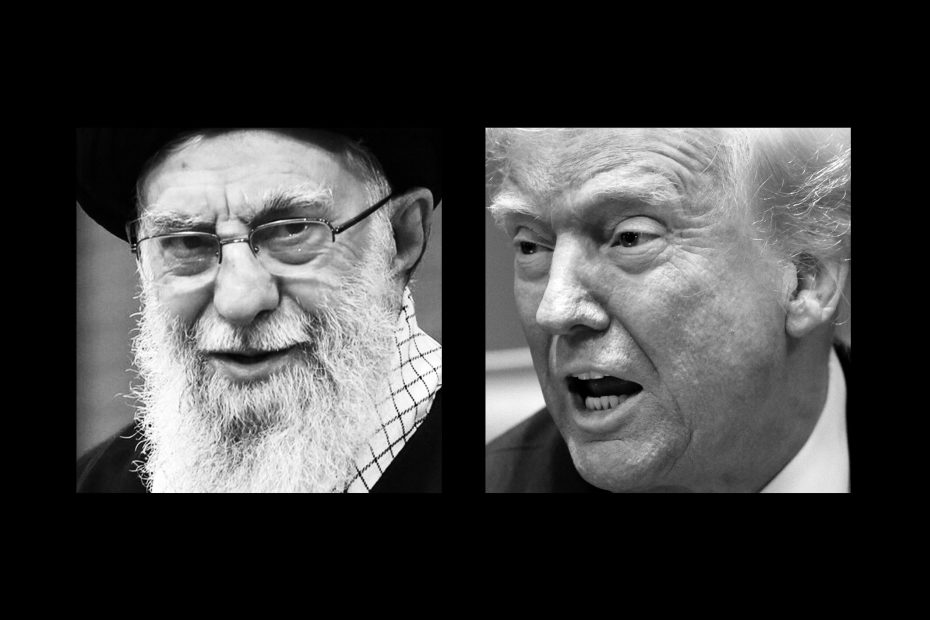
Donald Trump loves letters. We know this from his first term, when he exchanged 27 letters with North Korea’s Kim Jong Un in the course of 16 months and wrote a particularly memorable missive to Turkey’s President Recep Tayyip Erdoğan. In his second term, he has already found an unlikely new pen pal: Iranian Supreme Leader Ayatollah Ali Khamenei.
Early in March, a high-ranking Emirati diplomat delivered a letter from Trump to Khamenei.

We speak with New York Immigration Coalition President Murad Awawdeh about a mother and three children who were swept up in an ICE raid not far from the home of Trump’s “border czar” Tom Homan in Sackets Harbor, New York, handcuffed and taken to a family detention center in Texas despite having no order of deportation. A protest calling for the family’s return is planned for this Saturday, and the mayor has called a state of emergency.
Jewish students at Columbia University chained themselves to a campus gate across from the graduate School of International and Public Affairs Wednesday, braving rain and cold to demand the school release information related to the targeting and ICE arrest of Mahmoud Khalil, a former SIPA student. Democracy Now! was at the protest and spoke to Jewish and Palestinian students calling on the school to reveal the extent of its involvement in Khalil’s arrest.
As President Trump finally unveils his global tariff plan — setting a baseline 10% tariff on all imported goods, with additional hikes apparently based on individual countries’ trade balances with the United States — economists like our guest Richard Wolff warn it will have grave economic effects on American consumers and lead to a recession.
David Enrich joins to discuss his book on the legal war being waged on journalism.
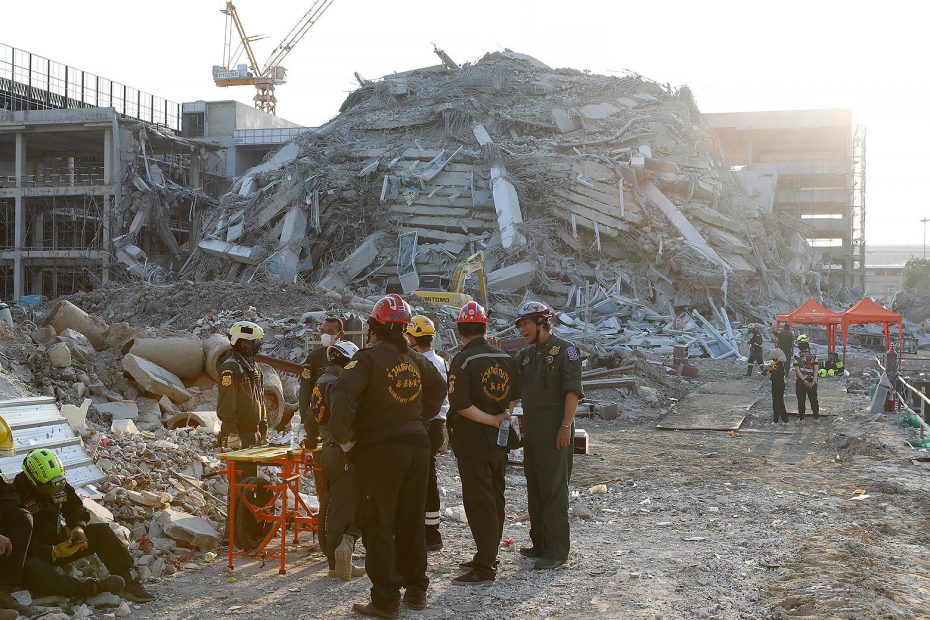
They expose the fissures in society, between those who have a well-built home, an insurance policy, or somewhere else to go—and those who do not.

The most important vocabulary lesson you will get for the next four years.

The Waves also discusses the Riverside Church controversy and the case of Sarah Milov.

What we say matters, especially depending on whom we say it to.

The Waves also discusses the case against Jeffrey Epstein and Taffy Brodesser-Akner’s Fleishman Is in Trouble.
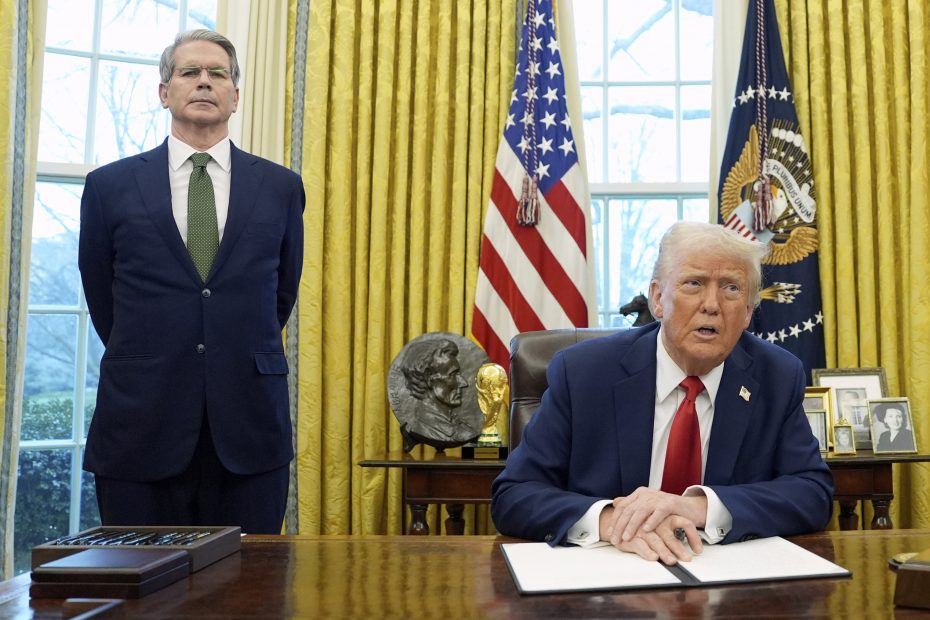
He also said he isn’t worried about stock market turbulence, following the worst week in the market in two years.
The normally bullish Trump over the weekend declined to rule out the possibility of a full-blown recession as his tariff policies threaten to spark a massive global trade war.
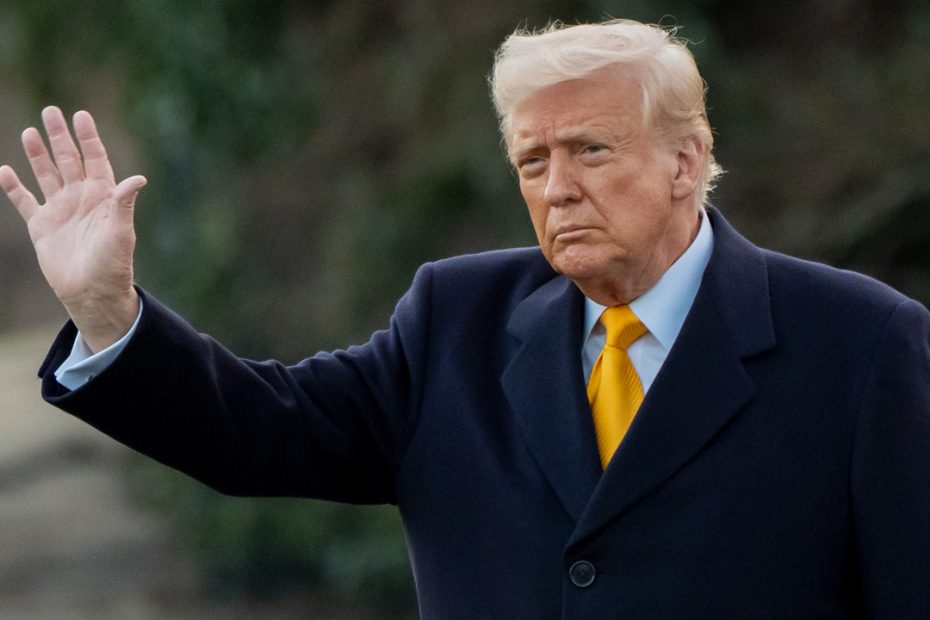
“I hate to predict things like that,” Trump said when pressed about the possibility of a recession during a recorded interview that aired on “Sunday Morning Futures with Maria Bartiromo.
Trump imposing new tariffs on top of broader policy uncertainty will mean a hit to growth. The question is how large of a hit it will ultimately be.
Lina Khan and her allies tried to remake antitrust law. Trump’s team is likely putting an end to that.
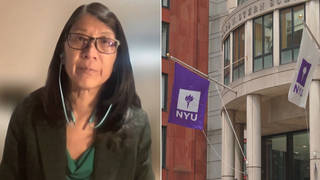
The former international head of Doctors Without Borders is speaking out after New York University canceled her presentation, saying some of her slides could be viewed as “anti-governmental” and “antisemitic” because they mentioned the Trump administration’s cuts to foreign aid and deaths of humanitarian workers in Israel’s war on Gaza. Dr.
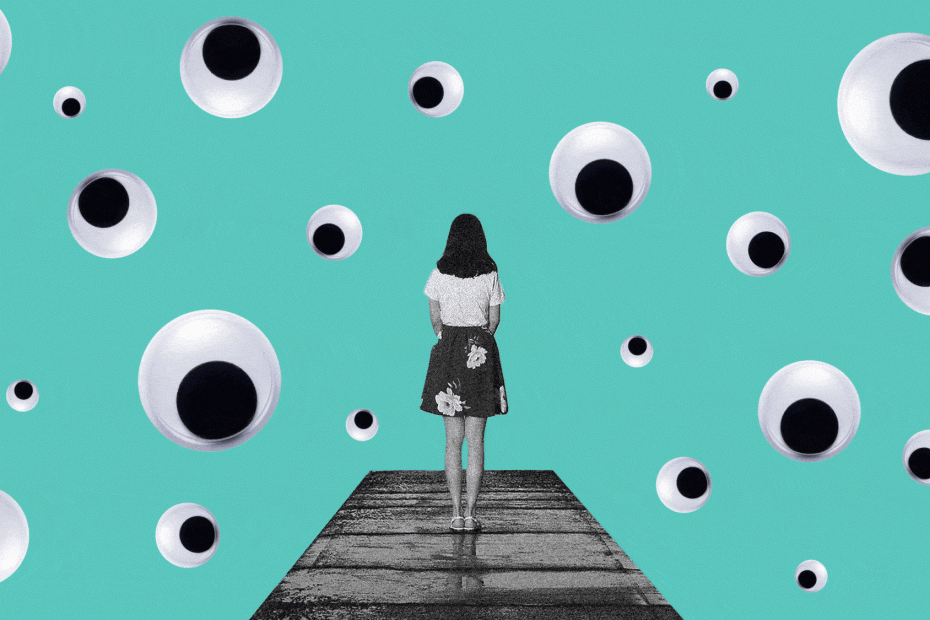
This is an edition of The Atlantic Daily, a newsletter that guides you through the biggest stories of the day, helps you discover new ideas, and recommends the best in culture. Sign up for it here.
“We’re going to start being smart, and we’re going to start being very wealthy again,” President Donald Trump announced today as he laid out a plan that risks derailing America’s economy.
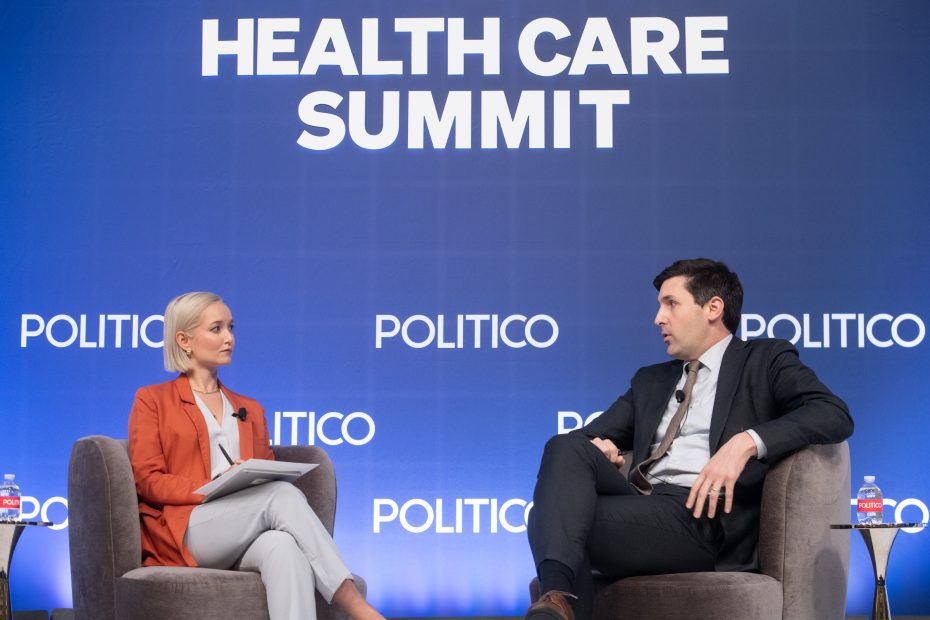
Republicans painted a picture of a corrupt, broken system. Democrats said Trump’s cuts were putting millions of lives at risk.
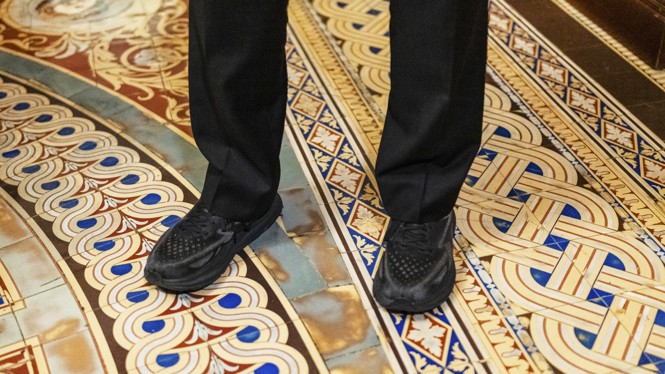
The idea of politics as a sport is a familiar analogy. For a little more than 25 hours from Monday to Tuesday evening, politics left behind the metaphor and became a grueling, perhaps even dangerous, ultramarathon. Senator Cory Booker’s record-breaking speech—an “oratorical marathon” and a “feat of political endurance,” according to reporters—was nearly an hour longer than Strom Thurmond’s 1957 attempt to filibuster the Civil Rights Act.
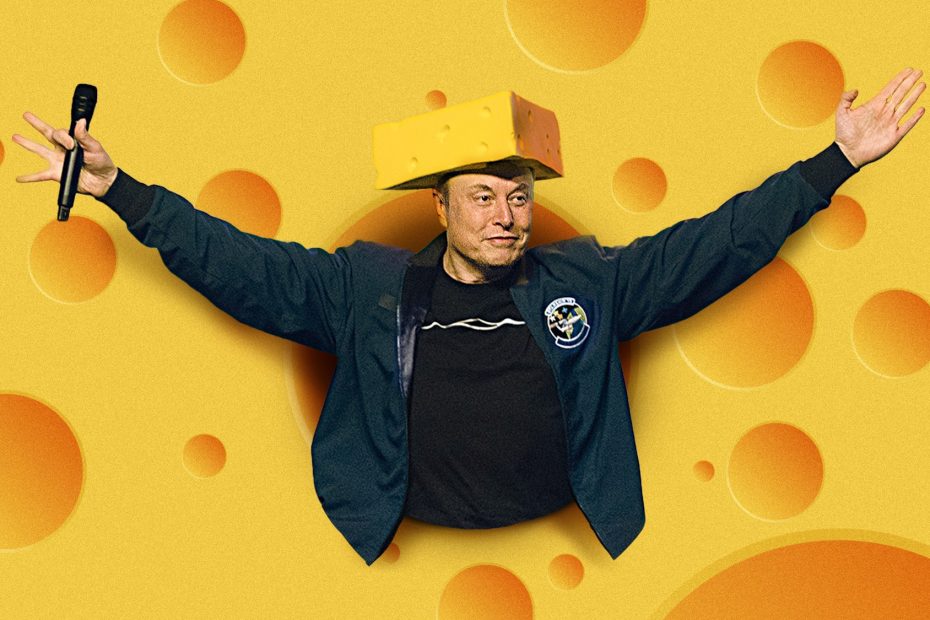
Last night, X’s “For You” algorithm offered me up what felt like a dispatch from an alternate universe. It was a post from Elon Musk, originally published hours earlier. “This is the first time humans have been in orbit around the poles of the Earth!” he wrote. Underneath his post was a video shared by SpaceX—footage of craggy ice caps, taken by the company’s Dragon spacecraft during a private mission. Taken on its own, the video is genuinely captivating.
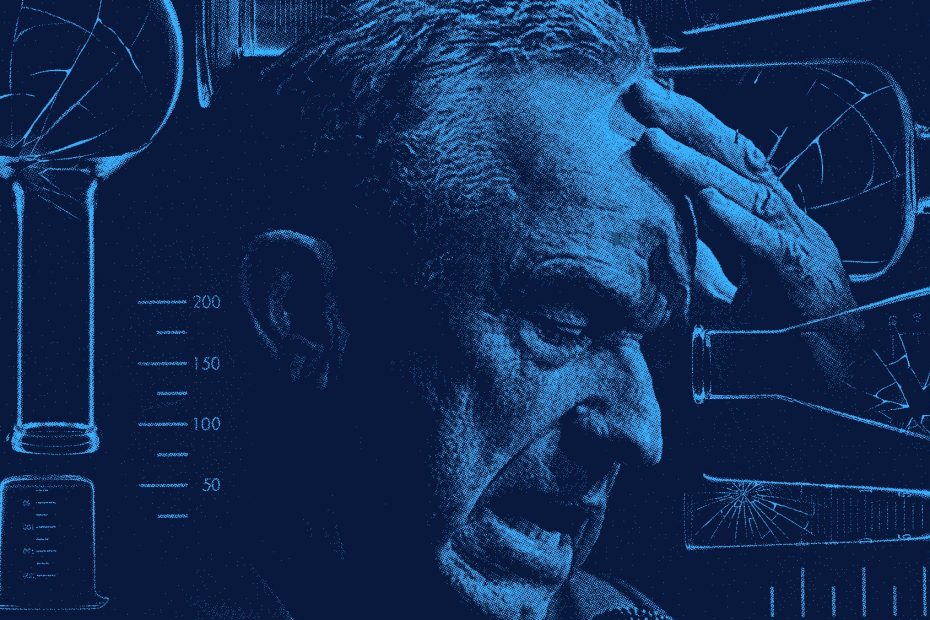
Robert F. Kennedy Jr. is finally getting his wish of sucker punching the federal health agencies. This week, Kennedy began the process of firing some 10,000 employees working under the Health and Human Services umbrella. Even before he took office, Kennedy warned health officials that they should pack their bags, and on Tuesday, he defended the cuts: “What we’ve been doing isn’t working,” Kennedy posted on X.
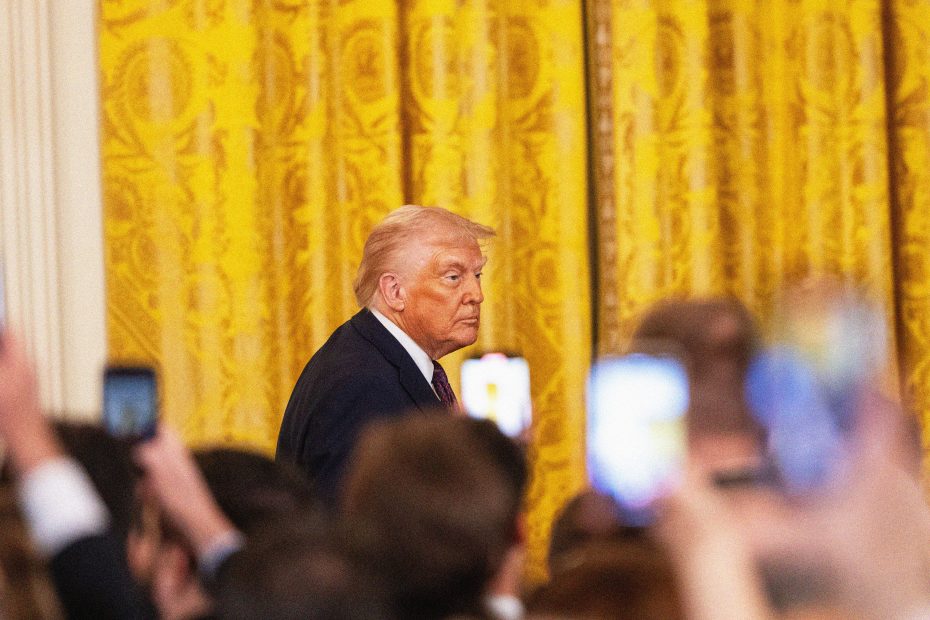
All Donald Trump had to do was start telling people the economy was good now. Take over in the middle of an economic expansion and then, without changing the underlying trend line, convince the country that you created prosperity. That’s what he did when he won his first term, and it is what Democrats expected and feared he would do this time.
But Trump couldn’t do the easy and obvious thing, apparently because he did not view his first term as a success.
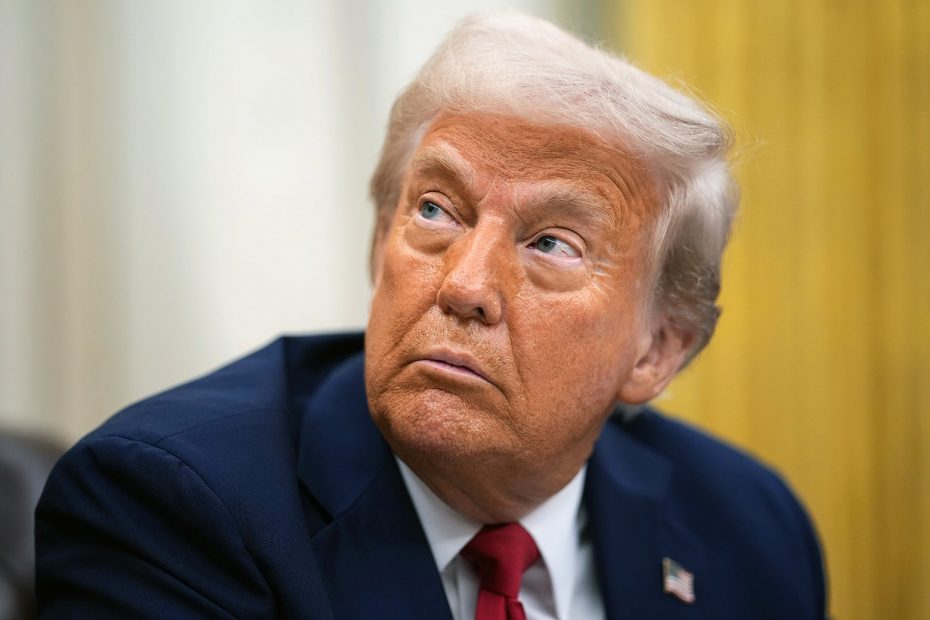
He’s turning basic groceries into luxury items.